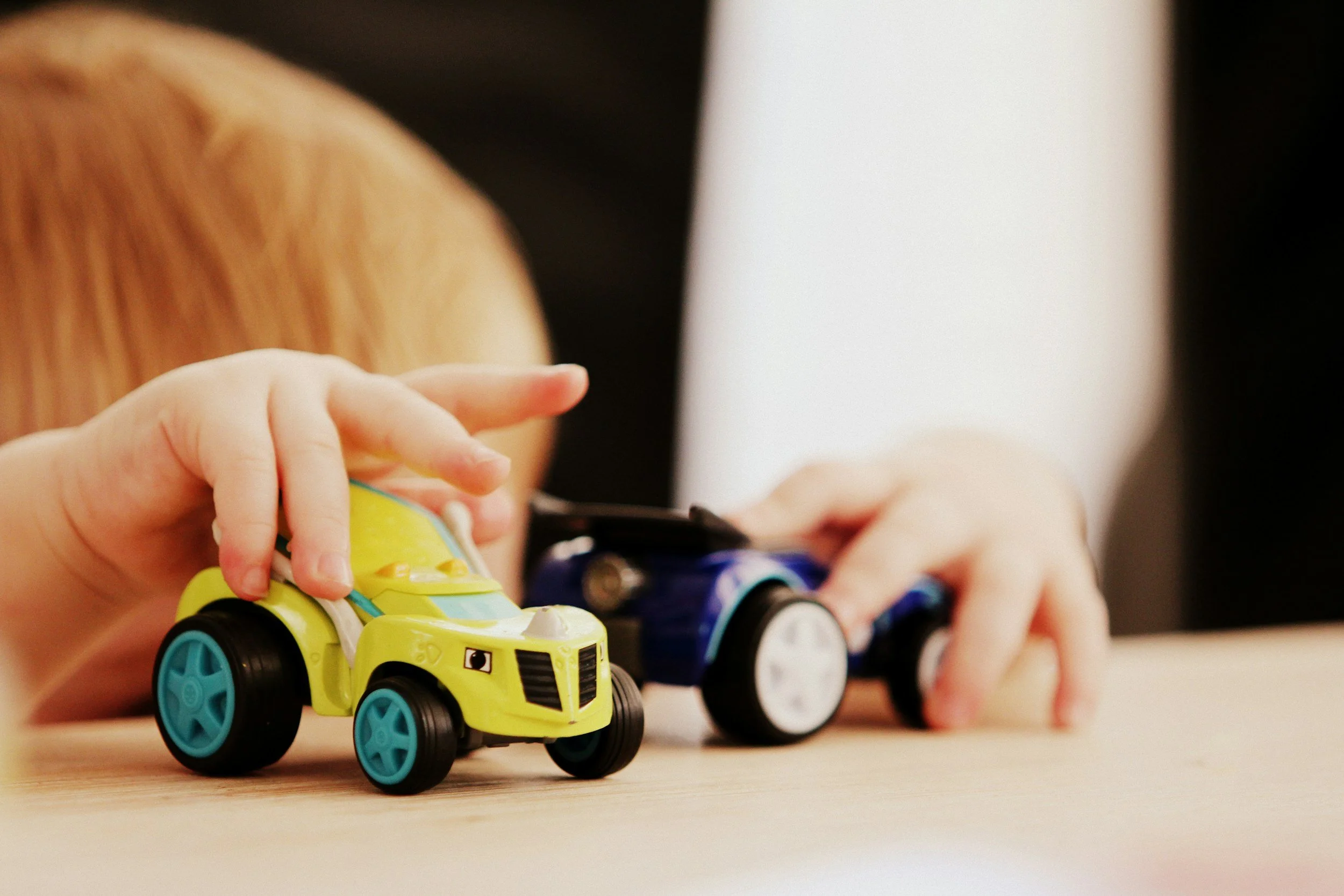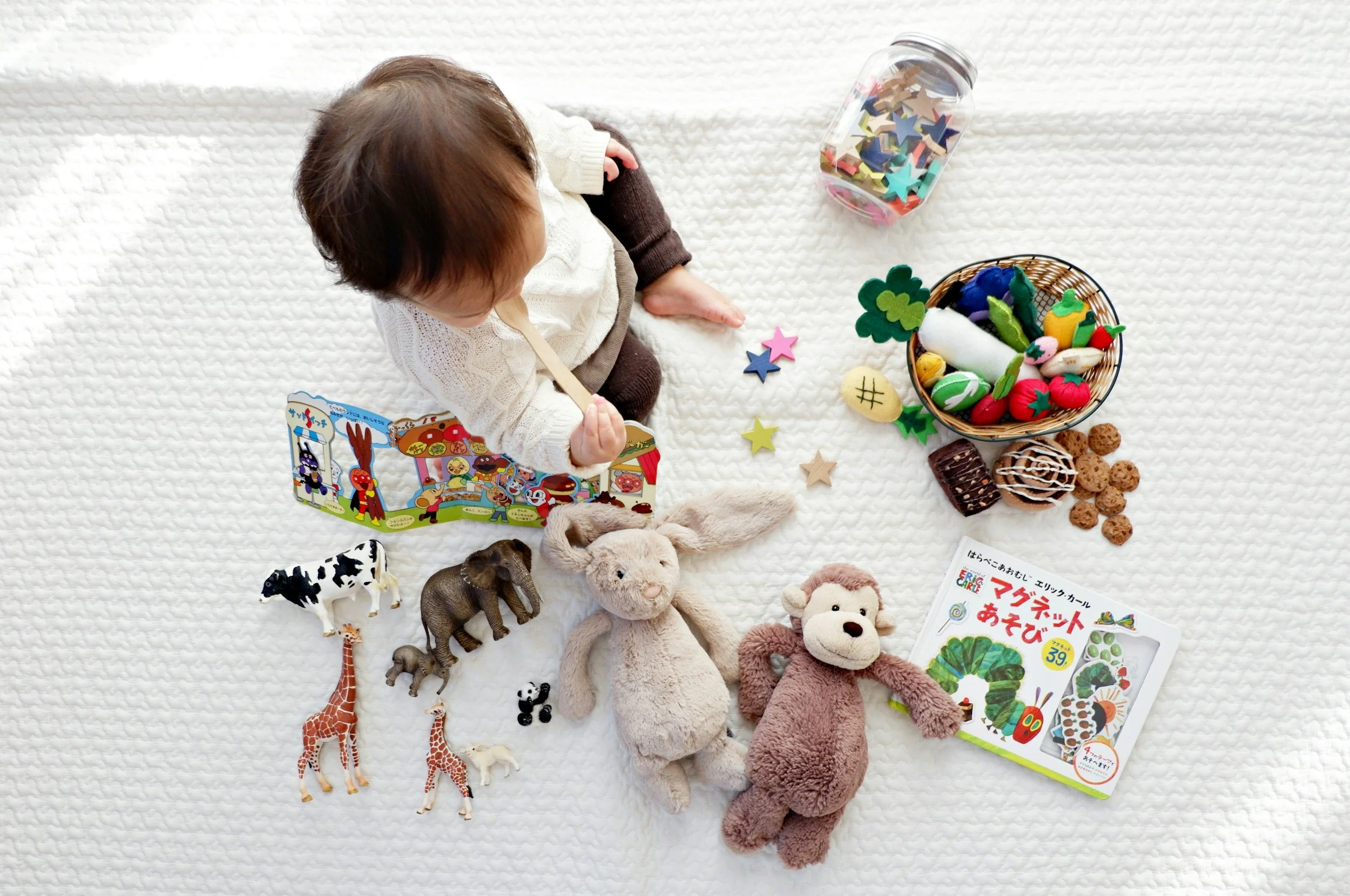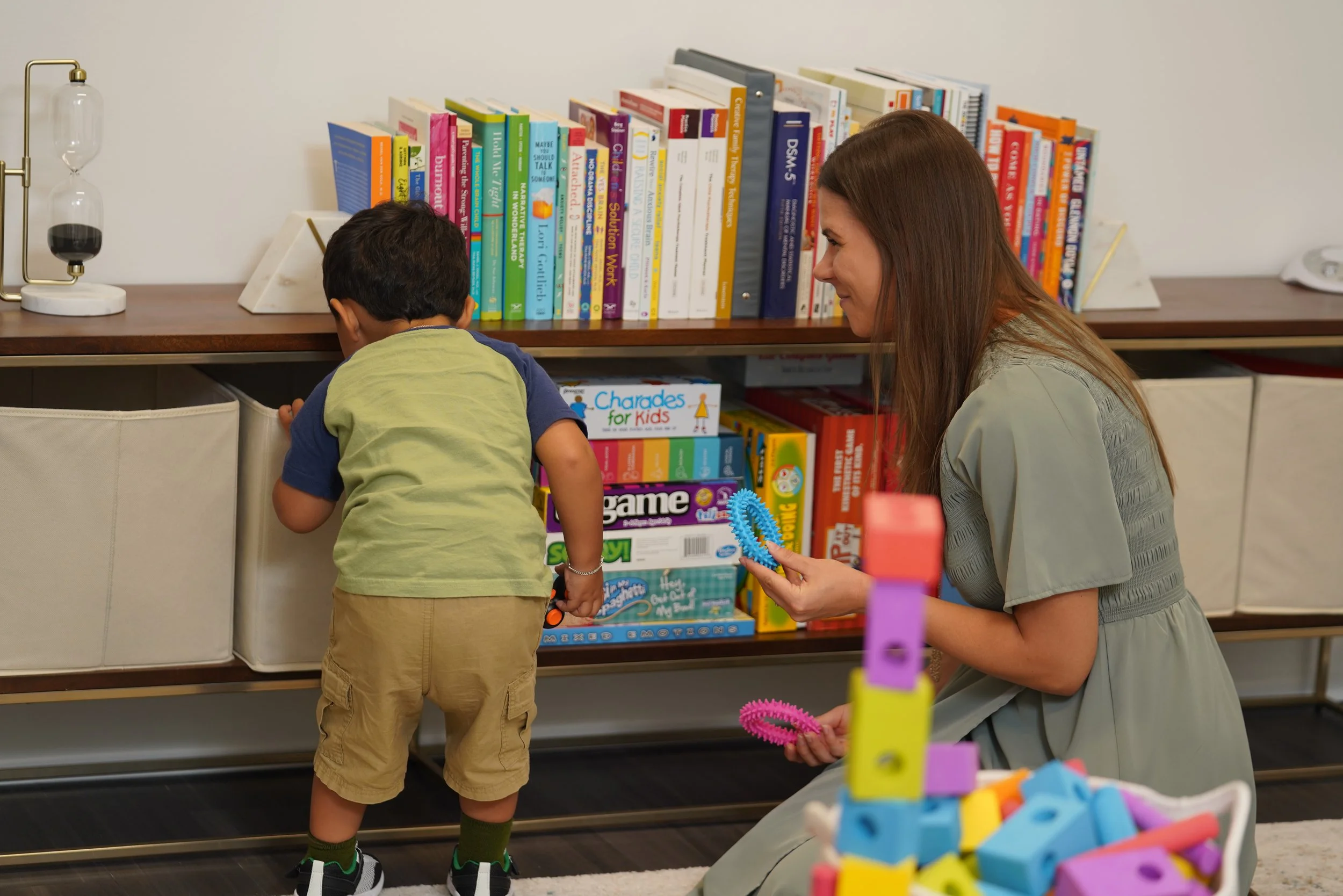
When parents hear the words play therapy, they often picture a very young child sitting on the floor with toys.
And yes, play therapy can be incredibly powerful for young children.
Read MoreADHD | Adult | Affair Recovery | Alternative Relationships | Anxiety | Child | Chronic Pain & Illness | Co-Parenting | Couples | Culturally Competent Counseling | Depression | Divorce | Eating Disorders | Escapism & Addiction | Evaluation | Services | LENS Neurofeedback | LGBTQ | Life Transitions | OCD Therapy | Perinatal & Postpartum | Play Therapy | Premarital | Sex | Therapy for Men | Trauma & EMDR | Tween & Teens | Work Burnout
When parents hear the words play therapy, they often picture a very young child sitting on the floor with toys.
And yes, play therapy can be incredibly powerful for young children.
Read MoreOne of the most common questions parents ask after their child's first play therapy session is:
"So...did they just play the whole time?"
The answer is often yes.
But there is so much more happening beneath the surface.
What about parent coaching, EMDR, neurofeedback, or an ADHD evaluation?
The truth is, there isn't one "best" therapy for neurodivergent children because no two children are exactly alike.
Read MoreIf you've recently learned that your child is neurodivergent, you may be wondering where to start.
Should they begin play therapy?
Would social skills groups help?
What about parent coaching, EMDR, neurofeedback, or an ADHD evaluation?
The truth is, there isn't one "best" therapy for neurodivergent children because no two children are exactly alike.
Read MoreAt Heights Family Counseling, we believe therapy should never be one size fits all. Every person walks through our doors with a unique story, which is why we've intentionally built a team of clinicians with diverse specialties and expertise to meet people wherever they are in life.
Read MorePlay therapy is a developmentally grounded approach that gives children a space to express feelings, explore experiences, and build new skills through the language that comes most naturally to them: play. Children grow emotionally and socially when they have room to try out ideas, express fears and wishes, and work through challenges in symbolic and creative ways.
Read MoreChange is a natural part of life, but for children, transitions like divorce, moving, or changing schools can feel overwhelming. These experiences can stir up big emotions—sadness, anxiety, confusion, or even anger—that children may not have the words to express. At Heights Family Counseling, we understand that children communicate differently than adults, which is why play therapy can be one of the most effective ways to help them process and heal during times of change.
Read MoreChildren often don’t have the words to fully express what they’re feeling inside. Instead, they communicate through play — their most natural form of expression. Play therapy uses this language of play to help children process emotions, build coping skills, and find healthier ways to navigate challenges. At our practice, we offer several types of play therapy to meet each child’s unique needs.
Read MoreWhen children experience big emotions, behavioral challenges, or stressful life changes, parents often wonder how to help them process what they’re going through. Traditional talk therapy can be incredibly effective for teens and adults, but for young children, expressing emotions and thoughts verbally isn’t always easy. This is where play therapy comes in.
Read MoreHas your child ever sat down on the couch to discuss their feelings and concerns with you? Most likely, the answer is no. Many children do not have the verbal capability to do so, however, children can communicate their concerns and feelings through play. Play is a child’s language. Children can learn and develop through play, but children can express themselves and relieve anxiety and stress as well.
Read MoreThis message is for anyone that interacts with little ones, not just parents. Teachers, principals, babysitters, coaches, aunts, uncles, mentors of any kind, I am talking to you. Kids are always watching and judging your behaviors. They look to you for personal acceptance and guidance on how to treat others. They need you to validate their confusing experience and help regulate their scared and anxious emotions. When it comes to race, do not wait for kids to bring it up.
Read MoreDuring this time little ones may be having trouble identifying and expressing feelings. You may notice an increase in tantrums, anxiety and fighting between siblings. It’s always important to remember that all behavior is communication.
Read MoreNow being in almost week seven of quarantine, who wishes there was a book on parenting during a pandemic?? This is all not normal, but it is our new normal for now. I know limiting screen time has gone out the window in many households, so parents can have a break or work from home.
Read More